

You shouldn’t have to explain the job. Or the sport.
Therapy and mental performance for first responders, athletes, and anyone else who wants the support. In it, back from it, or staying ahead of it — coordinated with the people already on your team.
Before I was a clinician, I was a paramedic and a career firefighter. I know the culture, the schedule, and what a bad call actually costs — so you don’t have to spend the first three sessions explaining any of it.
Mental performance is a separate discipline and I trained in it specifically. Pressure, focus, confidence, identity, return to play: the questions athletes bring aren’t the same ones I hear at a station, and they shouldn’t be treated like they are.
Most of what I do is building tools before they’re needed. Adversity isn’t optional in either of these worlds, but a crisis doesn’t have to be the entry point. If you’re already in one, we start there. If you’re not, we build what you’ll want to have when it comes.
Background.
How this actually works.
It’s not what you’re picturing.
We’ll talk about hard things and it gets raw — that part is real. But it isn’t lying on a couch narrating your childhood while someone nods. Sessions have a point. We work specific problems with specific tools, track whether they’re working, and change the approach when they aren’t. It’s built around how you actually operate, not how I think therapy is supposed to go.
Cleared is not the same as ready.
A signature on a form doesn’t tell you whether you can hold up under load. That gap is more often psychological than physical, and it’s most of what we work on.
Perfection is not part of the process.
Growth is supposed to feel hard sometimes. It isn’t supposed to feel punishing. If you dread every session, something is wrong with the approach — not with you.
You’re the expert on your own life.
I bring the training, the clinical tools, and the experience. You bring the knowledge of what you actually want and what hasn’t worked. Good work happens when both are in the room.
I work with your team, not around it.
Most of the people I see are already working with somebody — a physical therapist, a surgeon, a strength coach, a treatment team, a department. The psychological side shouldn’t be the one piece running on its own track.
With your consent, I coordinate. Your PT knows what we’re working on when readiness comes up. Your coach isn’t guessing about why training feels different this month. Nobody’s handing you advice that contradicts somebody else’s.
Where you already have people, I’d rather join them than start a parallel track.
Who I work with.
First responders & their families
Fire, EMS, law enforcement, dispatch — and the people at home who live it with you. Critical incident aftermath, sleep and shift damage, hypervigilance that won’t switch off, substance use and recovery, career transition and retirement, and the things that don’t get said at the station.
Athletes & tactical athletes
Return to sport or duty, injury and career-altering injury, disordered eating and body image in sport, confidence and focus under pressure, and the identity questions that surface when performance has been the whole thing. If a higher level of care is what’s needed, I’ll say so and help you get there.
You don’t need a badge or a sport. Individual therapy and couples work are open to anyone — anxiety, burnout, grief, transitions, and relationships that have gone quiet.
Everyone else
Who you’d be working with.
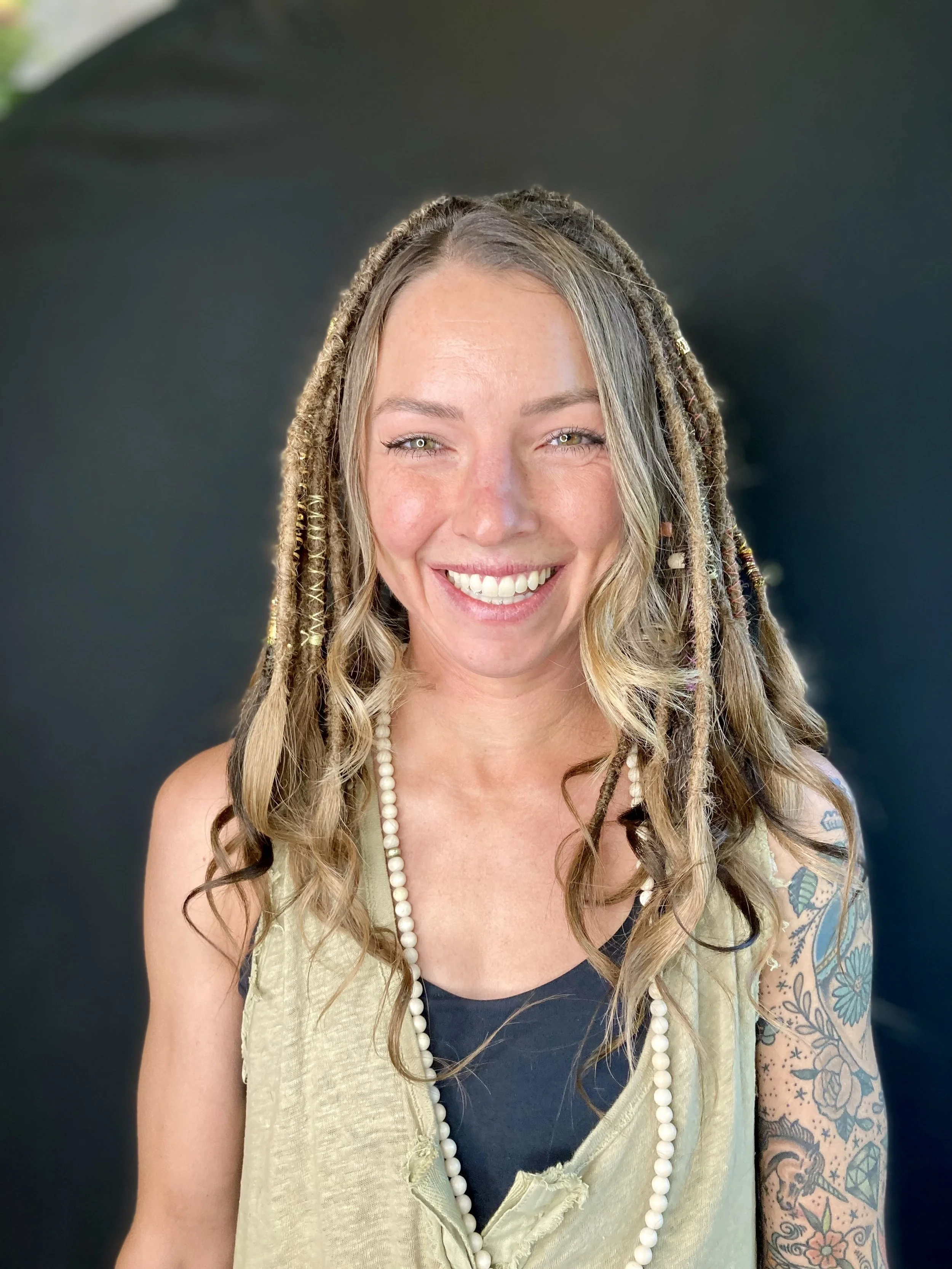
Victoria DiGiannantonio, LCSW | CMPC-C
Licensed Clinical Social Worker and Certified Mental Performance Consultant candidate through AASP. Before this I spent years as an NREMT paramedic and a career firefighter — which is why the culture doesn’t need explaining and the humor doesn’t need apologizing for.
I work with individuals, couples, athletes, teams, and crews: anxiety, burnout, trauma and critical incident aftermath, identity and transition, grief, substance use, disordered eating and body image in sport, and the psychological side of injury and return to sport or duty. My approach pulls from several methods — somatic work, IFS, DBT, CBT, ACT, and Motivational Interviewing, trauma-informed throughout — mixed to fit the person, the couple, the team, or the crew. Licensed in Colorado, in person and by telehealth.
Not all of it is one-to-one. I do clinical advising for peer support programs, continuing education and psychoeducation for first responder agencies, critical incident response, team mental performance work, and consultation for clinicians and coaches who want a clinical voice in the room.
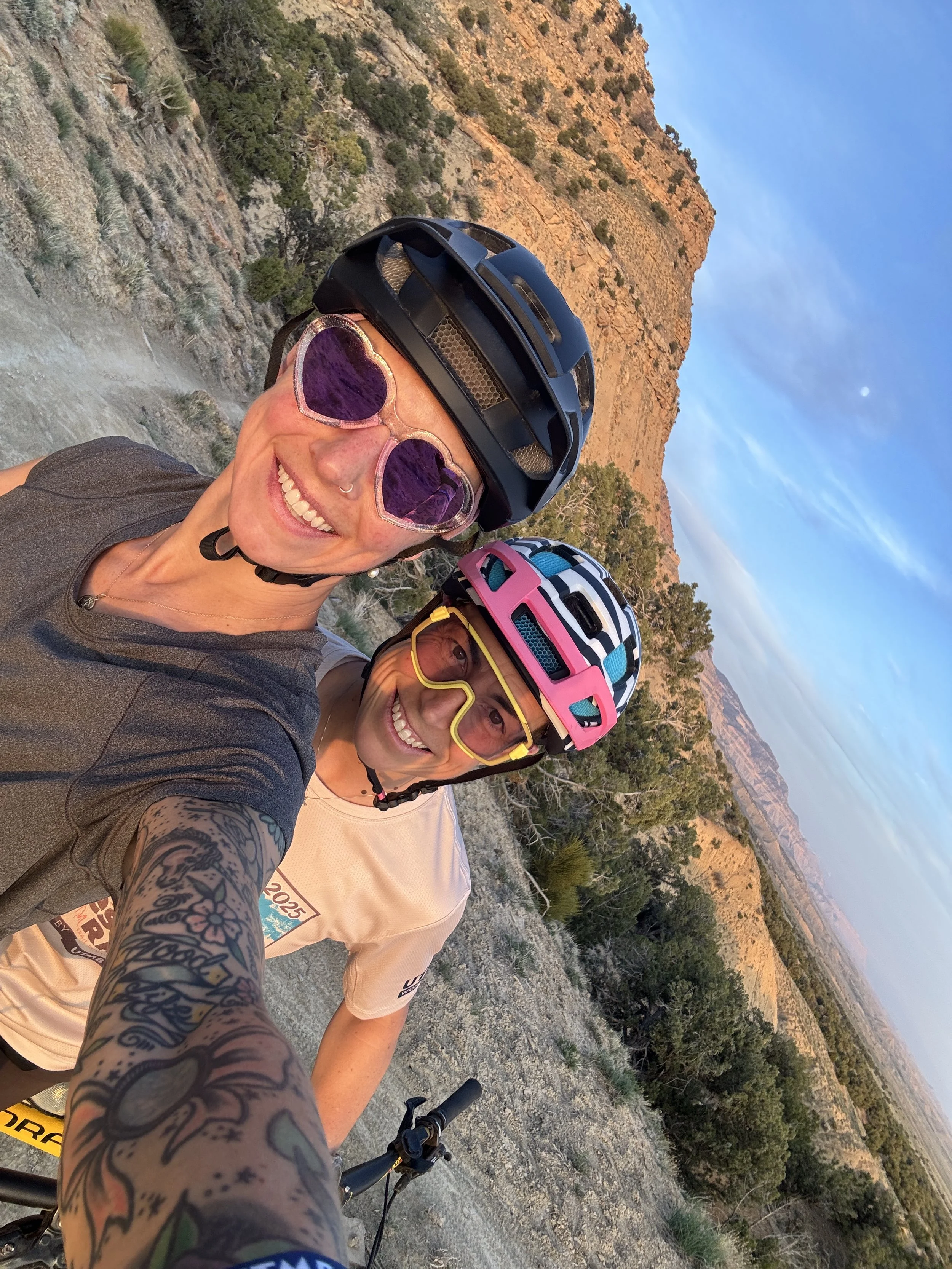
The athlete side is close to home. My wife is a collegiate sports performance coach, and we own a gym together — Alpine CrossFit in Wheat Ridge. Her work complements mine directly: she sees what the body is doing while I see what’s happening around it, and between us not much falls through the middle. When I’m not in session, that’s usually where I am.
I don’t work in isolation and I’d rather you didn’t either. If you already have a physical therapist, a strength coach, a treatment team, a physician, or people at home who are part of this, I’ll coordinate with them with your consent. If you’re missing a piece, I’ll help you find it — I keep a network for exactly that: sports medicine, rehab, nutrition, psychiatry, and higher levels of care when that’s what’s needed. Building your own team from scratch shouldn’t be the first thing you have to do.
Ready when you are.
No pressure to have it figured out before you reach out. That's kind of the whole point of reaching out.